Jewish Heritage in Miskolc
Our thematic walk focuses on continuity and the Jewish heritage still visible today.

The role of the Jewish community in Miskolc's history
The Jewish community played a structural and defining role in shaping Miskolc's modern cityscape. In the late 19th and early 20th centuries, the capital, entrepreneurial spirit, and intellect of the local Jewish population transformed Miskolc from a dusty, rural town into a dynamically developing, modern industrial and commercial hub.

Tracing Jewish heritage
The synagogue on Kazinczy Street is one of the most unique and valuable gems of Hungarian Romantic architecture. Its monumental central prayer hall, with its architectural, historical, and cultural significance, is undoubtedly one of the city's most important landmarks.
This temple is often referred to in common parlance and art history as the "sister" of the Dohány Street Synagogue in Budapest, due to their shared designer, similar stylistic direction, interior atmosphere, and the use of modern cast iron technology. It is the only synagogue in Borsod-Abaúj-Zemplén County that has survived intact, remains open to visitors, and withstood both World War II and the destruction of the socialist era.

Miskolc Jewish Museum and Visitor Centre and the merchants' street
Right next to the synagogue is the Miskolc Jewish Museum and Visitor Centre. The exhibition presents the everyday life, flourishing, and tragedies of the Jewish community in Miskolc and Borsod County in a highly personal and immersive way.
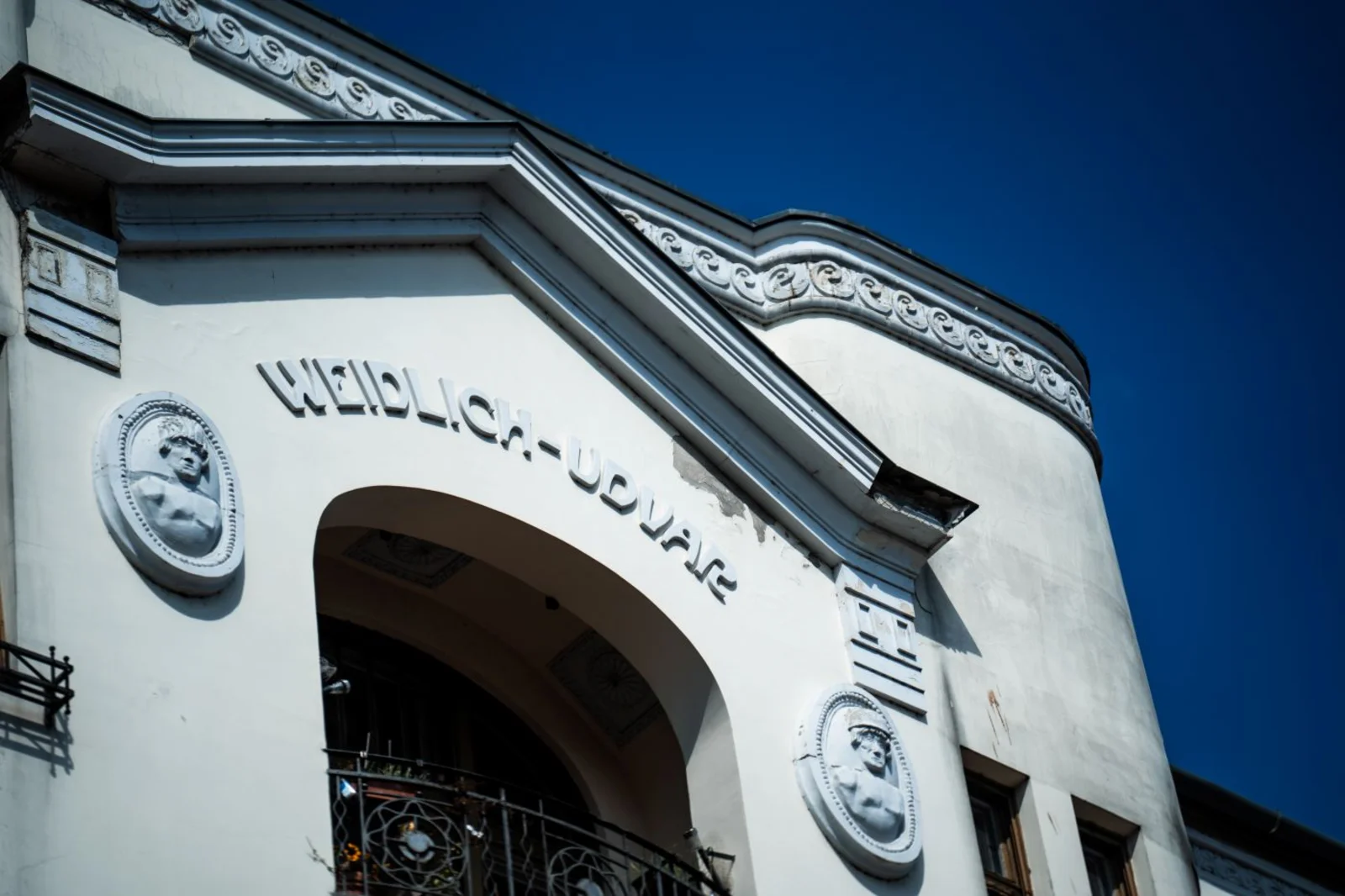
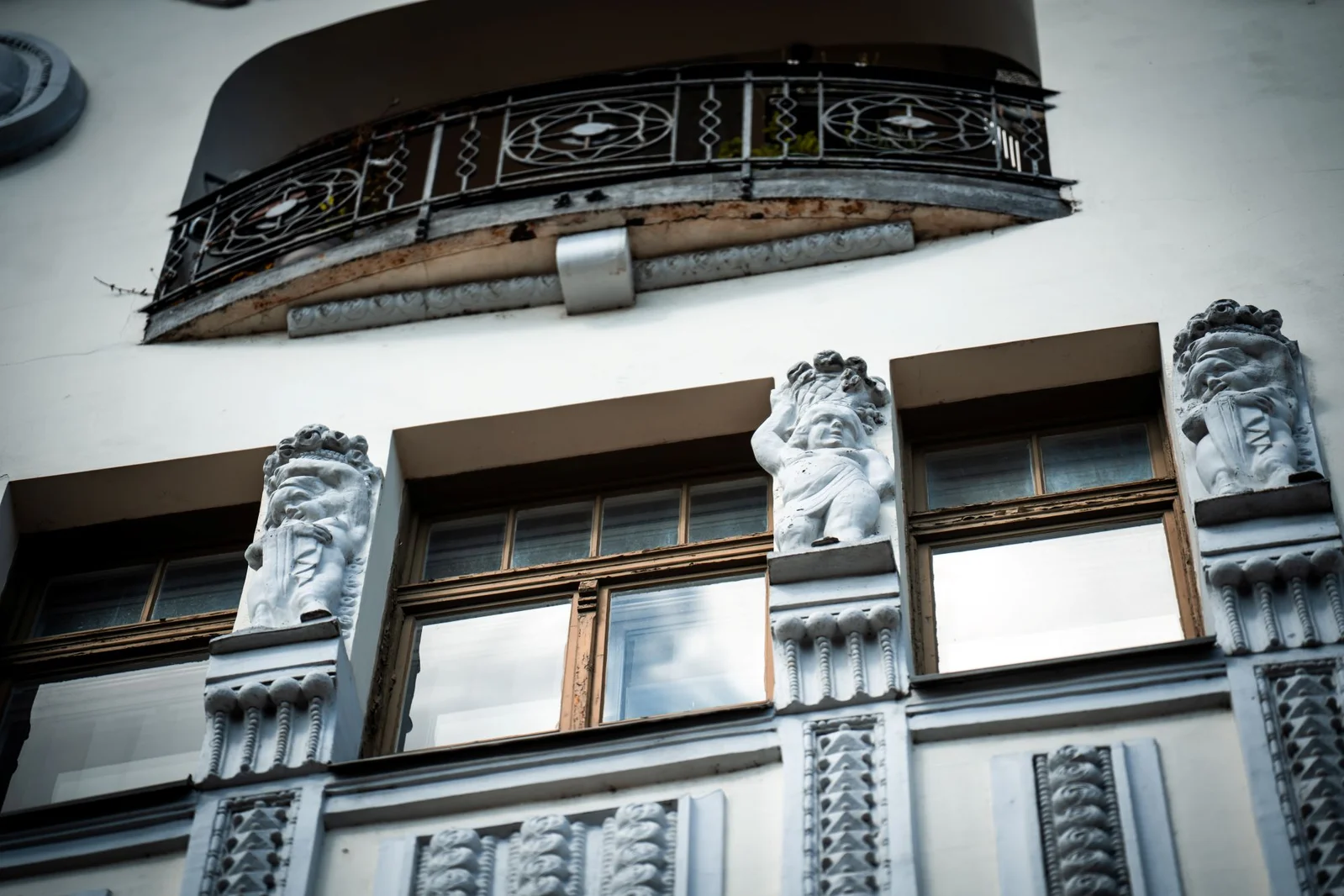
Miskolc's historic pedestrian street, Széchenyi Street, owes much of its existence and charm to Jewish and Greek merchants. Many of the eclectic and Art Nouveau mansions, apartment buildings, and elegant shopfronts lining the main street were built by Jewish bourgeois families.

The Jewish Cemetery of Miskolc
The Avas Jewish Cemetery (Orthodox) is one of the most fascinating rural sites of Jewish culture and memory in Hungary. It is often referred to as a "miniature version of the Házsongárd Cemetery in Cluj-Napoca" because it lies on the steep, wooded, ivy-covered slopes of Avas Hill, exuding a unique, mystical atmosphere. This nearly 6-hectare burial ground is an open-air museum of historical periods.
The evolution of gravestone art can be traced here, with distinctive styles and symbols reflecting the diversity of the Jewish community that once lived here. From the cemetery, there is a unique and poignant historical perspective of the city. The wildness of nature, the ancient towering trees, the carpet of ivy, and the built heritage combine to make this place both melancholic and beautiful.