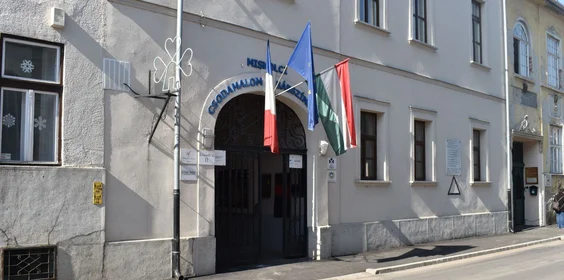
Miskolc Gallery - Petró House
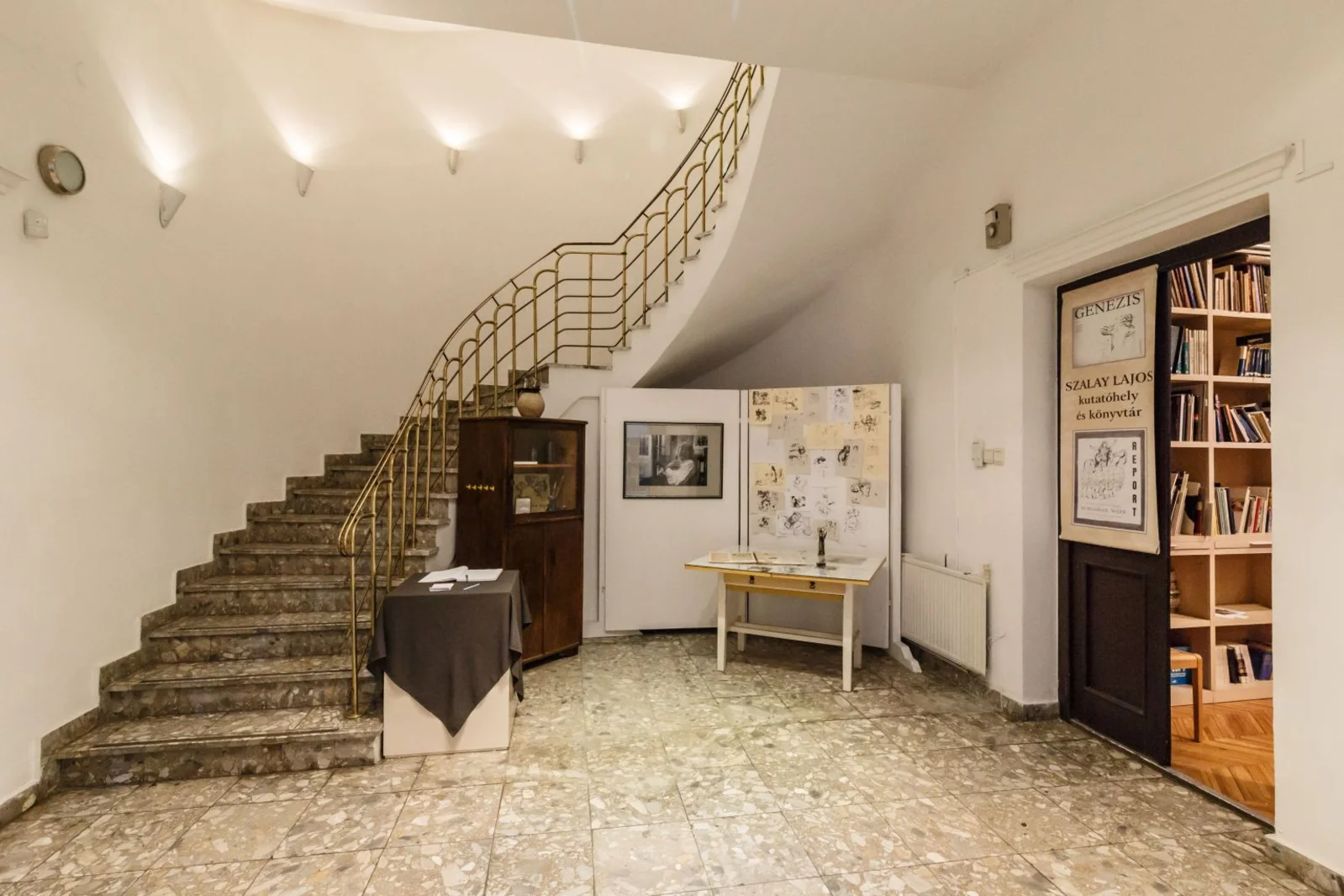
Since September 2008, the NAGY KUNSZT Contemporary Art Study Museum has been operating on the upper floor alongside the exhibition, offering thematic museum education sessions for students linked to exhibitions. From September 2010, the ground floor has housed the newly established Art Library and Lajos Szalay Research Centre, created by merging the art book collections of the József Attila Library and the Miskolc Gallery.
Next to the exhibition, on the upper floor, the NAGY KUNSZT Contemporary Art Study Museum has been operating since September 2008, offering thematic museum education sessions combined with exhibitions for students. Since September 2010, the ground floor has housed the newly established Art Library and the Lajos Szalay Research Centre, created by merging the art book collections of the József Attila Library and the Miskolc Gallery.
A bit of history:
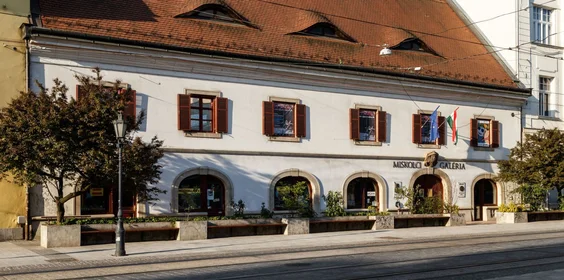
At the end of the 19th century in Miskolc, opposite a mill by the Szinva stream, there stood a single-storey building now known as the Petró House. Its earlier history is uncertain due to its location on the outskirts of the town. The first archival records refer only to the history of the plot, with the first house on the site associated with vitéz Béla Kádár, a retired military officer.
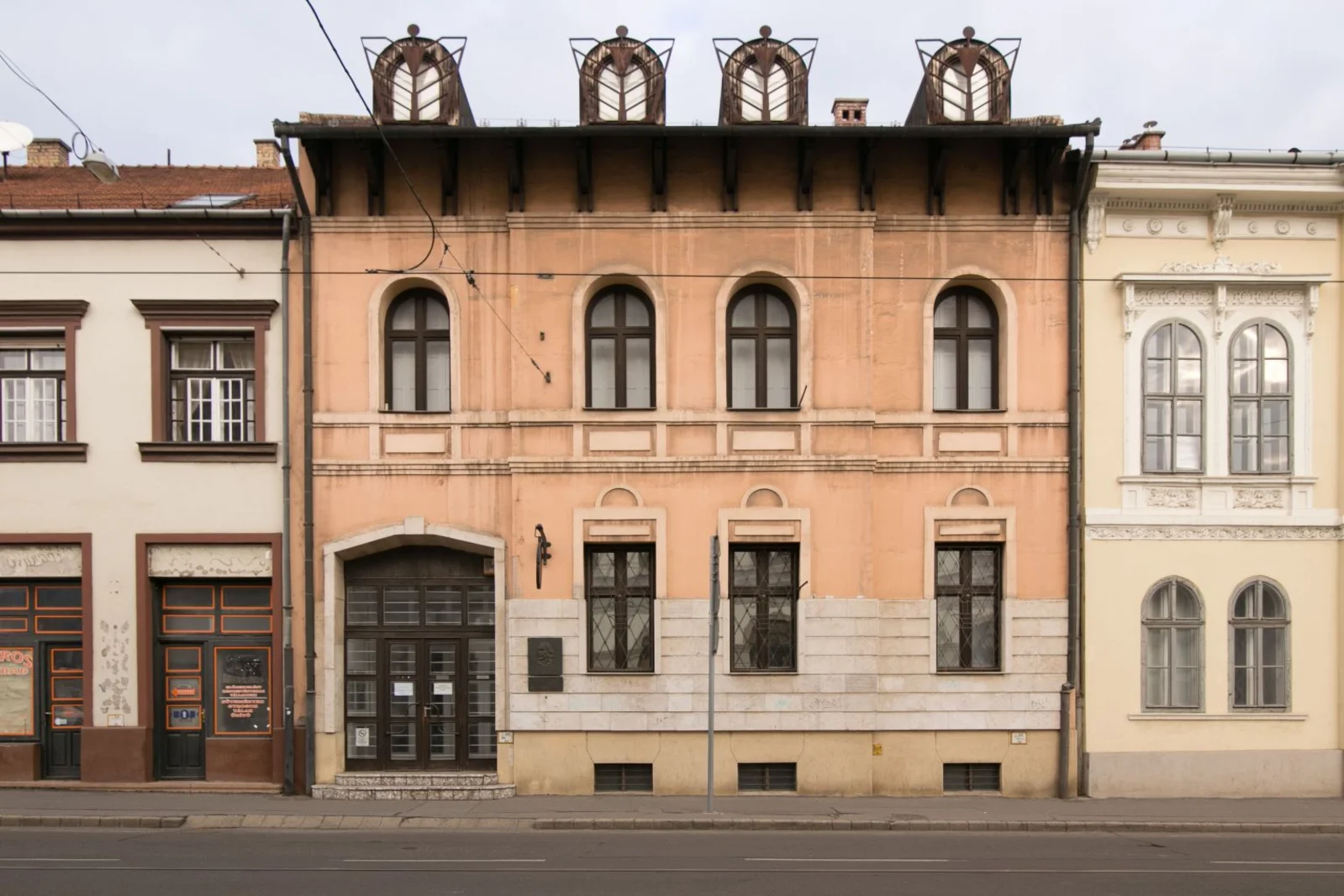
The building visible today was constructed in 1927 and later came into the possession of the renowned doctor Sándor Petró (1907–1976). A telephone directory from 1943 already lists him as the owner of the building, where he operated a nationally recognised, modern private practice. This practice provided the financial foundation for his art collecting activities.
Sándor Petró's father was a printer, but he was also related to László Petró, the owner of the "bookbinding and ruling" workshop at 7 Városháztér. He inherited his love of graphics from his printer father, and under the influence of Andor Leszih, the director of what is now the Herman Ottó Museum, his interest turned towards painting. He collected local history artefacts, as well as 19th-century and modern Hungarian artworks, and his legacy also included a rich collection of miniatures, silver objects, and carpets, which, after his death in 1976, was entrusted to the care of the city and the Herman Ottó Museum.
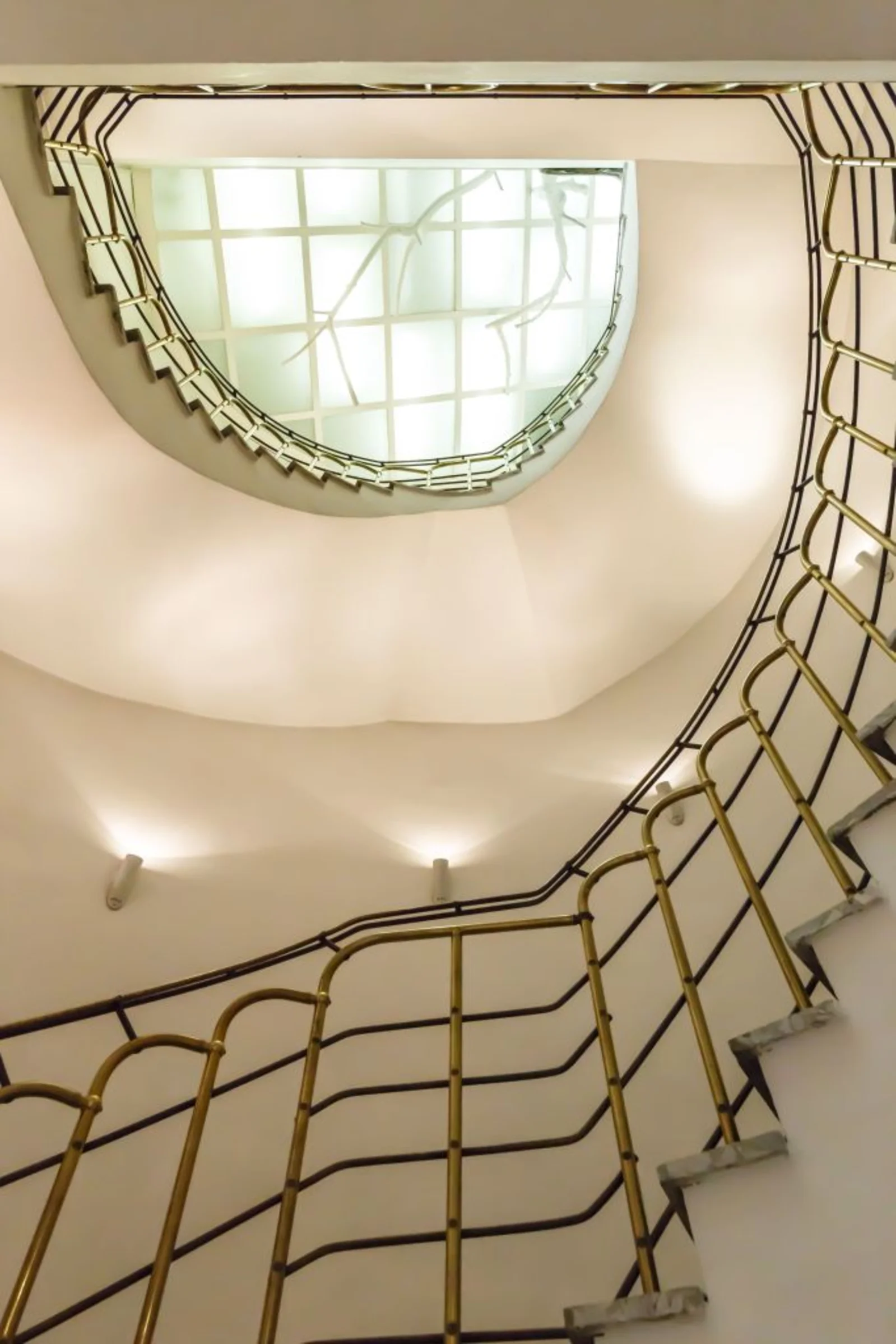
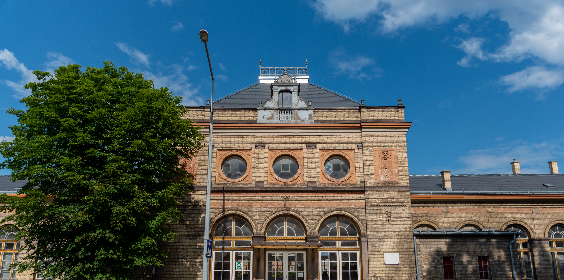
The fate of the residential building, which came into the city's ownership, was only settled more than a decade later. In 1988, the idea emerged that the building should serve a museum purpose. To this end, the building was transformed from a single-storey structure into a two-storey building with an attic, based on the plans of architect Pál Krisztik. A glass entrance gate with a wind lobby was created in place of the street-facing iron gate. The interior design was carried out by József Viszlay. The first exhibition was opened in the newly rebuilt building in 1992.
Gallery

How to get here
- Approach by bicycle
- Approach by e-bike
- Approach by public transport
- Approach by bus
- Approach by car
- Approach by electric car
- Approach by motorcycle
Transport options
- Transport on foot
- Transport by bicycle
- Transport by e-bike
- Transport by public transport
- Transport by bus
- Transport by car
- Transport by motorcycle
- Transport tram-train
What you will find here
Service type sights 62
























Service type catering 2

Service type accommodation 10



Service type event venues 4


Recommended for
- Recommended for honeymooners
- Recommended for adventurers
- Recommended for kids
- Recommended for groups
- Recommended hidden gems
- Recommended for rainy weather
- Recommended for school trips
- Recommended for families with smaller children
- Recommended for families with older children
- Recommended for multigenerational programmes
- Recommended for groups of friends
- Recommended for elderly visitors
- Recommended for couples
- Recommended for adults
Places and programmes nearby